
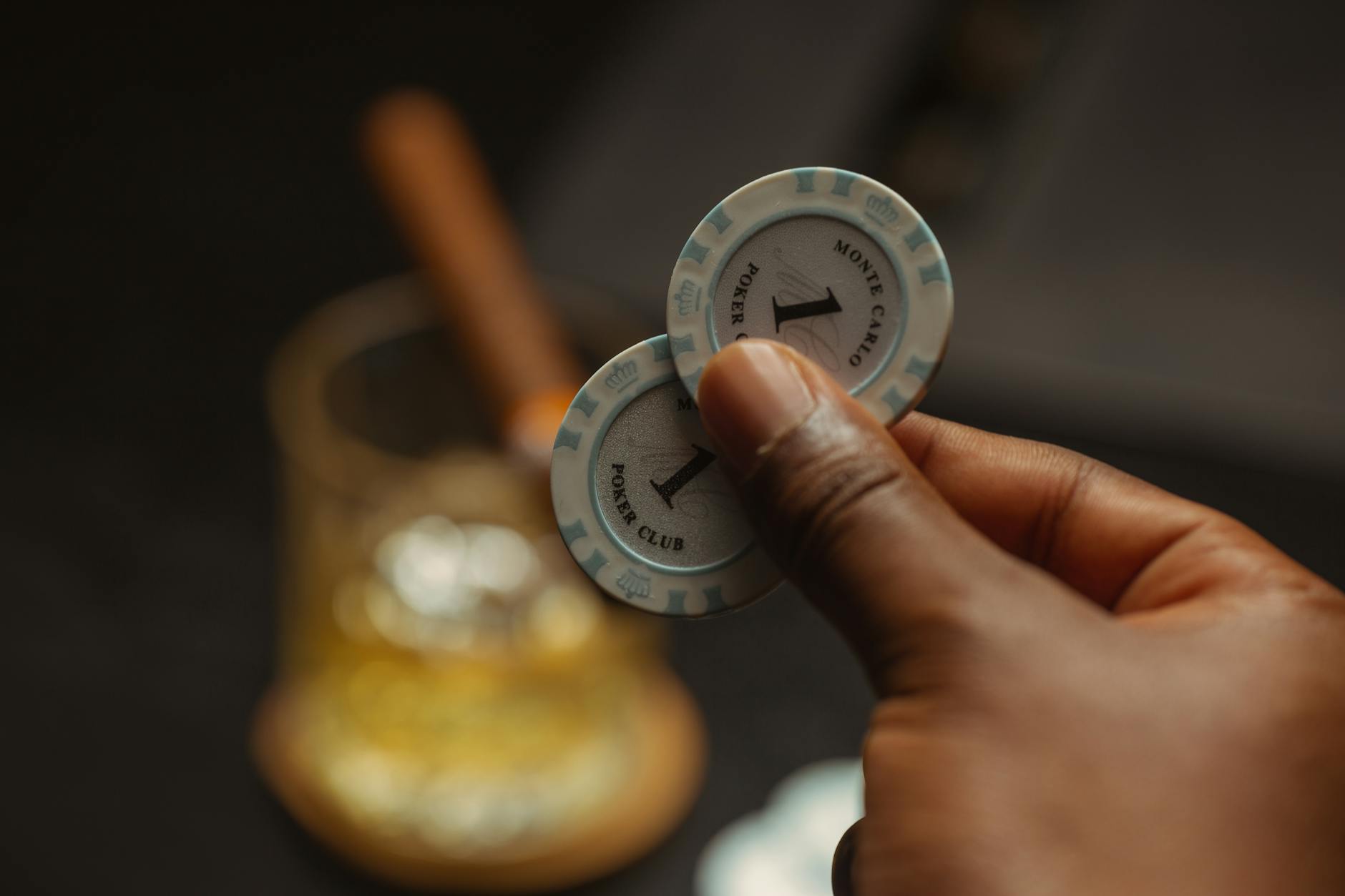
The word “whale” gets applied loosely. Industry media uses it to describe anyone betting large. Recreational players use it to describe whoever seems richest at the table. Neither is accurate. At the property level, a whale is a precise designation built around a single number: theoretical loss. Understanding how that number is calculated; and what it triggers; is the difference between knowing your value and leaving it on the table.
How Casinos Define a Whale (It’s Not About Net Worth)
Net worth is irrelevant to a casino’s classification system. A billionaire who bets $25 per hand for two hours generates almost no theoretical value. A professional who bets $5,000 per hand for eight hours generates substantial theo. The property cares about the latter.
Theoretical loss; universally called “theo” inside casino operations; is calculated using four variables: average bet, hours played, decisions per hour, and house edge. The formula is straightforward: theo = average bet × hours × decisions per hour × house edge. Everything flows from that number. Your room, your host, your airfare, your lossback eligibility. All of it.
The distinction between a whale and a high roller matters here. A high roller is aspirational; someone who bets meaningfully, but whose documented theo history is limited or unverified. A whale has a track record. Documented sessions across multiple trips. A known average bet. A verified credit line. Casinos compete aggressively for whales precisely because they can model the relationship’s value over time.
Player tiers typically follow this structure, though naming conventions vary by property and region: premium mass, premium, VIP, VVIP, and whale. Premium mass covers volume players. The whale tier is reserved for players whose annual theo puts them in the top fraction of a percent of the property’s database.
What Theo Actually Means for Your Treatment
A baccarat player wagering $50,000 per hand will receive a penthouse suite and dedicated host before they’ve placed a single bet, based on verified history. A slots player who has lost $10,000 in a weekend may get a discounted room at best. Same total spend. Dramatically different treatment. The reason is the house edge differential.
Baccarat carries a house edge of roughly 1.06% on the banker bet. Blackjack with basic strategy runs around 0.5%. American roulette sits at 5.26%. Slots range from 4% to 15% depending on the property and machine. Higher house edge means higher theo per dollar wagered. The slots player generating $10,000 in actual losses may have contributed significant theo, but without rated play and documented sessions, that value is invisible to the system.
Game selection, therefore, matters more than most players realize when it comes to comp generation. A baccarat player betting $1,000 per hand for six hours produces more theo; and receives proportionally better treatment; than a slots player depositing equivalent amounts. The casino is not being arbitrary. It is following the math.
How Casinos Track Your Play
The player card system is the foundation of domestic tracking. It captures your rated sessions at table games and electronic gaming machines. On the slots floor, tracking is automatic from the moment you insert your card. At table games, a host or pit supervisor must rate your session; observing your average bet and logging your time. If no one rates your session, that play does not exist in your theo history.
Cash play presents a specific problem. It is anonymous, which some players prefer. It is also invisible to the comp system. If you are not using a player card, you are not building theo credit. For occasional visits to unfamiliar properties, that may be acceptable. For players managing their value across a relationship portfolio, it is a significant cost.
International markets use different infrastructure. In Macau and Singapore, junket operators historically managed high-value player relationships directly, including credit extension and settlement. Rolling chip programs; common in premium Asian markets; calculate theo based on volume of chips wagered rather than wins and losses, creating a more transparent arrangement for the player. The UNLV Center for Gaming Research maintains extensive documentation on how these systems differ across jurisdictions.
What Classification Gets You
The benefit escalation by tier is not gradual. It is exponential. A premium player gets room discounts and free meals. A VIP player gets comped suites and airfare reimbursement. A whale gets something different in kind: a personal host who knows their preferences, a credit line negotiated around their verified history, access to lossback programs after difficult sessions, and in many cases a relationship with casino executives rather than floor staff.
At the highest tier, the benefits include chartered aircraft, private villa accommodations, invitations to closed events, and what can only be described as relationship banking; the casino treating the player as a long-term asset rather than a transaction.
The economics justify the investment. According to research published by the American Gaming Association, the top tier of casino players generates a disproportionate share of gaming revenue; estimates consistently place it at 30 to 40 percent of total revenue coming from less than 1 percent of the player base. A single verified whale can represent years of stable, high-value contribution. Replacing one takes even longer. That asymmetry is why casinos invest so heavily in retention at this level.
Understanding where you fall in this structure; and what your documented theo actually entitles you to; is the starting point for working the relationship properly. Most players have no idea what number the casino has assigned them. A concierge who manages these relationships regularly does. For more on how comps are calculated and negotiated, see our guide on how casino comps work.
WhaleWiz members get a dedicated Wizard who handles this on their behalf. If you play at this level, apply for membership and see what’s possible.